What Documents Do You Need to Collect an MCA Default? Start With Three
The paperwork a recovery firm asks for on day one, what each piece is used for, and why most of it has to exist before the merchant ever misses a payment.
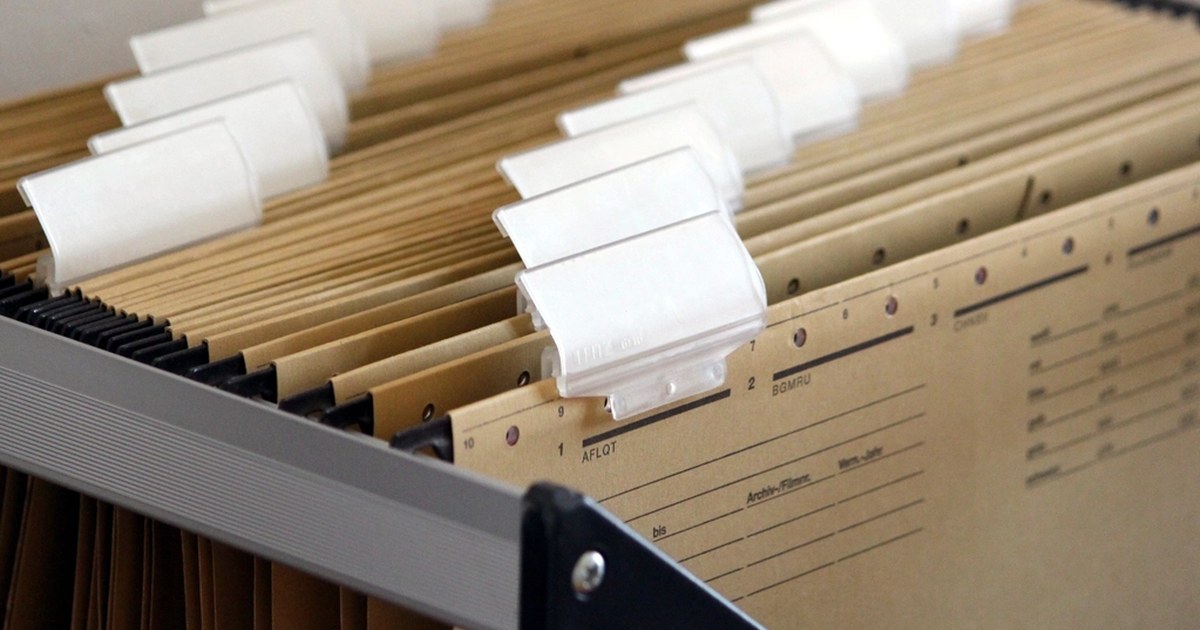
When a funder calls me about a defaulted file, the first thing I ask is what's in the folder. The balance and the merchant's story come after that, because the paper decides what can be done about either one.
I'm a shareholder in Lexington Recovery and run its business development. We work defaulted merchant cash advance and other commercial receivables files for funders, lenders, and businesses that are owed money by other businesses. So what documents do you need to collect an MCA default? Lexington Recovery asks for three at the start of an engagement, and a few more change what the review can find.
The three on the intake list
The firm's list is short: the fully executed contract, the time stamped UCC-1, and the merchant's bank statements or receivables records. Each one answers a different question about the file.
The fully executed contract
The agreement says what was purchased, what counts as a default, and who guaranteed performance. "Fully executed" is where files run into trouble. I'd check that every party signed, that every page and addendum is there, and that the copy in the folder is the final version and not a draft that went out for signature.
A missing signature page is a small problem at funding. After a default it's the first thing the other side will ask about.
If there's a personal guarantee, keep it in the same folder. In one of Lexington Recovery's published case studies, a healthcare services file of about $120,000, part of the balance was structured through the personal guarantor. That option only exists when the guarantee is signed and findable.
The time stamped UCC-1
The UCC-1 is the public filing that records the funder's interest in the merchant's receivables. The time stamp matters because a merchant in default often has more than one funder, and an earlier filer will usually come ahead of a later one.
Before anyone decides how to approach a file, they need to know where the funder stands in that line. A filing that went in late changes the answer, and so can one made under the wrong business name. Whether a particular filing holds up is a legal question. Lexington Recovery coordinates with counsel on it and doesn't guess.
Bank statements or receivables records
These show where the merchant's revenue landed while the account was performing: which bank, which processor, which customers. In my experience, a business in default often changes where its revenue settles before it changes anything else. The statements from the funded period show the starting point, so the reviewer can see what moved.
In that same healthcare case, the work started by identifying which contractors were actually paying the merchant. Targeted notices went to those contractors' accounts payable departments, and about $60,000 came back through the contractor receivables. That's one file and results vary, but the method depended on knowing who paid the merchant, and that information sits in the statements and receivables records.
Three more things worth sending
Servicing notes and payment history. The dates of missed payments, partial payments, and promises. A reviewer reads that timeline to tell a merchant working back toward good standing from one buying time.
Every other position you know about. A settlement that ignores the merchant's other creditors tends to default again. In another published case, a restaurant file of about $33,000, the plan was built around the merchant's whole debt structure from the start.
Everything the merchant sent you. Emails, texts, screenshots, hardship letters. In a third published case, the lead that changed the file was a screenshot the merchant supplied to support a hardship claim. It showed a call with a payment processor that had never been disclosed.
If you're owed on invoices and not an advance
Lexington Recovery works commercial receivables, meaning money one business owes another. If your problem is unpaid invoices, I'd gather the same kind of file: the signed agreement or purchase order, the invoices, proof that the goods or work were delivered, a current statement of account, and the correspondence about payment.
The questions are the same ones. What was agreed, what is owed, and where the debtor's money comes from.
What happens after you send it
The firm's process has five steps. The documents are reviewed for recovery potential, a strategy is set for the file, and outreach begins with negotiation as the goal. From there the file resolves through a settlement or moves to escalation coordinated with counsel, and the client gets updates through a portal along the way.
On cost, Lexington Recovery structures engagements on a performance basis. If nothing is recovered, the client still owes any applicable court fees and approved special services. Ask about both before you place a file.
Build the folder at funding
Almost everything above gets created on the day a deal funds, and very little of it can be recreated after a default. Funders who keep the signed contract, the stamped UCC-1, the statements, and the processor details together for every deal can place a file the day it defaults. Everyone else spends the first weeks looking for paper while the money moves.
I covered the timing question in when to place a defaulted MCA account, and what the statements can lead to in when a receivable lien against a payment processor works, and when it backfires.
If you have a defaulted file and aren't sure the paperwork supports it, send me a message on LinkedIn: linkedin.com/in/edward-michael-liceaga-687247376. You can also read more about the firm at lexingtonrecovery.com.
Not legal advice. Case examples are individual outcomes, not predictions or guarantees, and results vary. Engagement terms are set per client. I'm a shareholder in Lexington Recovery and run its business development.